

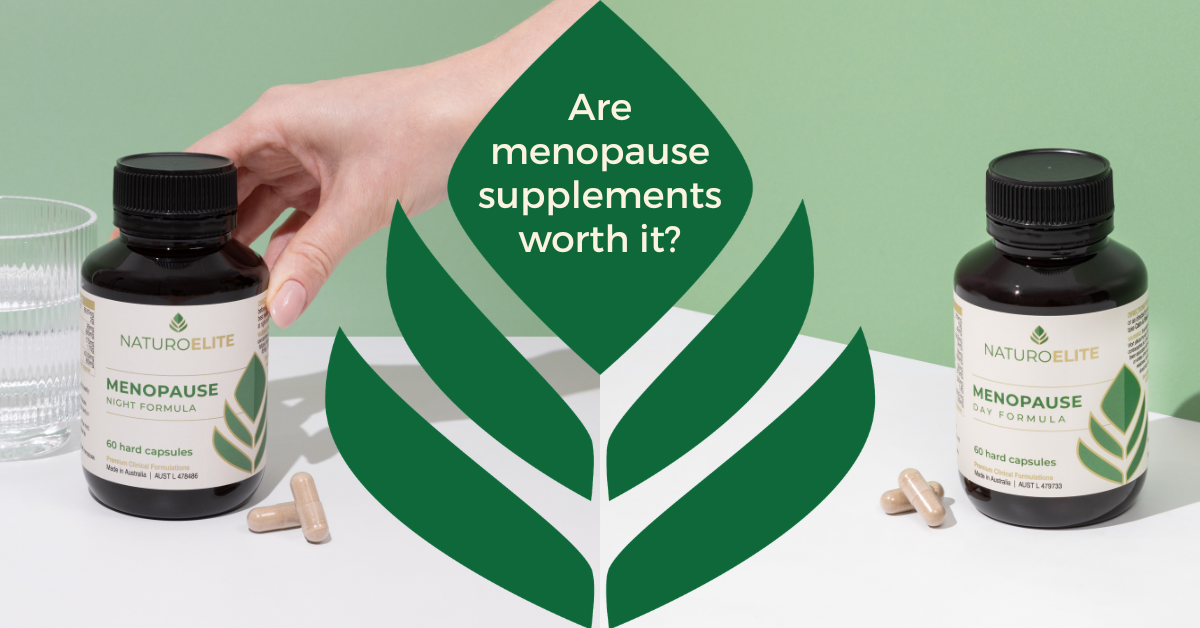
If you have started noticing changes in your body such as disrupted sleep, weight fluctuations, mood shifts or hot flushes, you have likely found yourself wondering are menopause supplements are actually worth it.
The short answer? It depends on your symptoms, your lifestyle, and the quality of what you’re taking.
Although the correct definition of menopause is the one day that is 12 months since your last period, we don’t usually refer to menopause as a single moment, it’s a transition. As your hormones shift, so do your body’s needs. Supplements can’t replace a balanced diet or lifestyle, but they can offer targeted support where your body needs it most.
Can supplements help prevent weight gain during menopause
Weight gain during menopause is incredibly common, and it’s not just about diet or exercise.
As oestrogen declines, your body composition changes. You may notice increased fat storage, particularly around the abdomen, as well as changes in metabolism and insulin sensitivity.
Supplements won’t “prevent” weight gain on their own, but they can support the systems involved:
- Nutrients and herbs that support blood sugar balance may help reduce energy crashes and cravings
- Ingredients that support stress response can help manage cortisol, which plays a role in abdominal weight gain
- Supporting sleep is critical, as poor sleep is strongly linked to weight gain
The key is seeing supplements as supportive, not a standalone solution.
Can you take menopause supplements before menopause
Yes, and in many cases, this is when they can be most helpful.
Perimenopause can begin years before your final period, and this is often when symptoms first appear. These might include:
- Subtle cycle changes
- Mood fluctuations
- Poor sleep
- Early hot flushes
Starting targeted support during this phase can help your body adapt more smoothly to hormonal changes, rather than waiting until symptoms feel overwhelming.
Do I need supplements during menopause
Not everyone will need supplements, but many women benefit from them.
Modern diets don’t always provide optimal levels of key nutrients, and during menopause, your requirements can shift. At the same time, symptoms like poor sleep, stress, and digestive changes can impact how well you absorb and utilise nutrients.
Supplements may be worth considering if you’re experiencing:
- Persistent fatigue or low energy
- Sleep disruption
- Mood changes or irritability
- Skin, hair or joint changes
They are most useful when they are targeted to your specific symptoms, rather than taken “just in case”.
Do menopause supplements work
This is one of the most important questions, and the answer is nuanced.
Some ingredients used in menopause supplements have been studied for their role in supporting symptoms:
- Black cohosh has been investigated for its ability to reduce hot flush frequency and severity.
- Red clover isoflavones have been studied for their interaction with oestrogen receptors and potential symptom support.
- Saffron extract has clinical research supporting its role in mood, sleep and emotional wellbeing.
- Shatavari has been shown in research to support hormonal balance, cognition, mood, and libido.
Hops has been shown in clinical trials to relieve menopausal symptoms, including hot flushes and night sweats.
However, results vary. Not all supplements are created equal, and outcomes depend on factors like dosage, ingredient quality, and whether standardised extracts are used.
This is why well-formulated, research-backed combinations tend to deliver more consistent results than generic blends.
How long should you take menopause supplements
Menopause is not a short-term phase, so support often needs to be ongoing.
That said, supplements don’t need to be taken forever without review.
A good approach is to:
- Allow at least 8–12 weeks to assess effectiveness
- Monitor how your symptoms change over time
- Adjust your approach as your body moves through different stages
Some women may use supplements for several months, while others may benefit from longer-term support.
The goal isn’t dependency, it’s support during a time of transition.
The bottom line
Menopause supplements can be worth it, but only when they are targeted, well-formulated, and aligned with what your body actually needs.
When used thoughtfully, they can help support your body through this transition in a way that feels more balanced, supported, and manageable.


