

As women move through perimenopause and menopause, many begin paying closer attention to their heart health for the first time. Changes in hormones can affect blood pressure, cholesterol, circulation, and even how the nervous system responds to stress.
Symptoms like hot flushes and heart palpitations can also feel unsettling and leave many women wondering what is happening in their body.
The good news is that nutrition and lifestyle can play an important role in supporting cardiovascular health during this stage of life. Certain nutrients such as omega-3 fatty acids, magnesium, calcium, vitamin D3 and vitamin K2 may help support healthy cardiovascular system function, artery health, muscle function and overall wellbeing.
Menopause and high blood pressure: what changes and why
During menopause, oestrogen levels naturally decline. Oestrogen has protective effects on the cardiovascular system, helping to support healthy blood vessels and circulation. As levels decrease, some women may notice changes in blood pressure, cholesterol levels, or overall cardiovascular health.
Other factors can also contribute, including:
- Increased stress levels
- Poor sleep
- Weight changes
- Reduced physical activity
- Higher inflammation levels
- Dietary changes
This is why supporting heart health during menopause is about more than just one nutrient. A holistic approach that includes movement, stress management, sleep, and targeted nutrition is important.
Magnesium is one mineral that becomes particularly important during this time, as it supports healthy muscle contraction and relaxation, nervous system function, and cardiovascular system health.
Hot flushes or high blood pressure: how to tell the difference
Hot flushes and high blood pressure can sometimes feel similar, but they are not the same thing.
Hot flushes are typically characterised by:
- A sudden feeling of heat
- Flushing of the face and chest
- Sweating
- Rapid heartbeat
- Symptoms lasting a few seconds to several minutes
High blood pressure often has no obvious symptoms at all. In some cases, women may experience:
- Headaches
- Dizziness
- Shortness of breath
- Chest discomfort
Because symptoms can overlap, it is important not to self-diagnose. Regular blood pressure checks with your healthcare professional are important, particularly during perimenopause and menopause.
Heart palpitations in perimenopause and menopause
Heart palpitations are another common symptom during hormonal changes. Many women describe them as:
- Fluttering in the chest
- Racing heartbeat
- Skipped beats
- Sudden pounding sensations
Hormonal fluctuations, stress, anxiety, poor sleep, caffeine, alcohol and nervous system changes may all contribute.
Magnesium may help support healthy muscle function and nervous system function, which is why many women prioritise magnesium-rich foods and supplementation during menopause.
If heart palpitations are frequent, severe, associated with chest pain, dizziness or shortness of breath, it is important to seek medical advice promptly.
Signs you might have an omega-3 deficiency
Omega-3 fatty acids play an important role in supporting cardiovascular health and general wellbeing. While testing is the only way to confirm deficiency, some signs that may indicate low omega-3 intake include:
- Dry skin
- Dry eyes
- Joint discomfort
- Poor concentration
- Low mood
- Fatigue
Foods rich in omega-3 include:
- Salmon
- Sardines
- Mackerel
- Chia seeds
- Flaxseeds
- Walnuts
Many women also choose to supplement with omega-3 to support healthy dietary intake.
What is a heart health check and what does it test?
A heart health check is designed to assess your overall cardiovascular risk and identify potential concerns early.
Your healthcare professional may assess:
- Blood pressure
- Cholesterol levels
- Blood sugar levels
- Weight and waist circumference
- Family history
- Lifestyle factors such as smoking, exercise and diet
Regular monitoring becomes increasingly important during menopause, as cardiovascular risk naturally increases with age and hormonal changes.
Why vitamin K2 matters when taking calcium
Many women take calcium supplements to support bone health during menopause, but fewer realise that calcium should always be paired with vitamin K2 and vitamin D3.
Vitamin D3 helps calcium absorption, while vitamin K2 helps direct calcium into the bones and teeth where it belongs, while supporting artery health.
This is why taking calcium alone may not be the most comprehensive approach. Nutrients work together in the body, and cofactors matter.
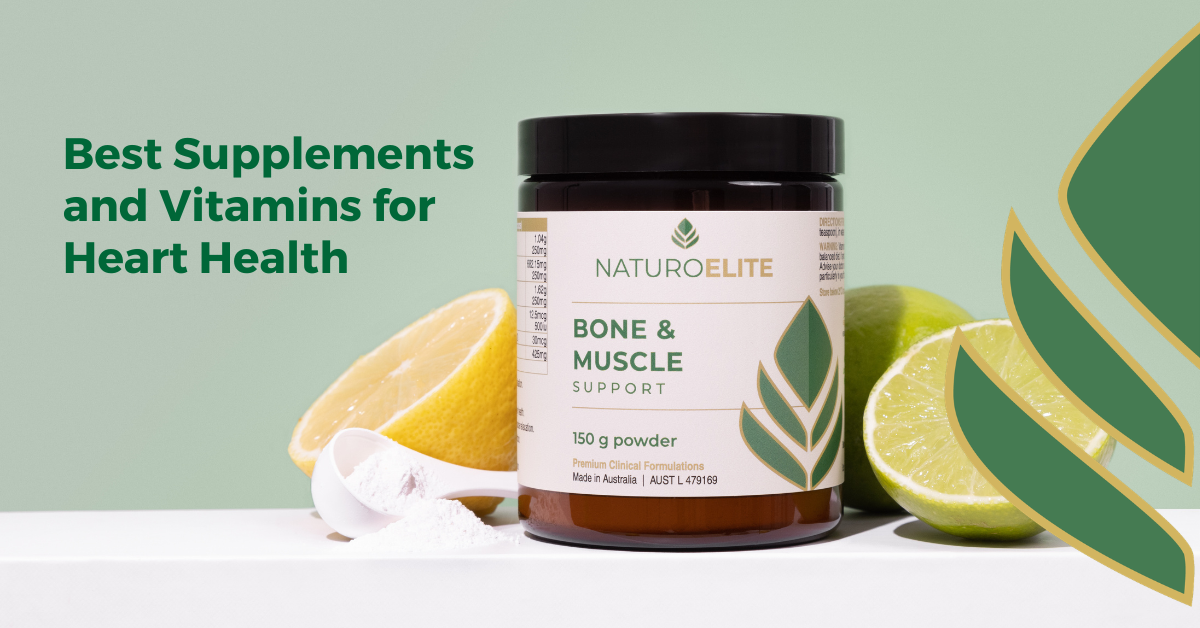
Our Bone & Muscle Support combines calcium citrate and magnesium citrate with patented vitamin K2 and plant-based vitamin D3 to support:
- Bone health and mineralisation
- Healthy teeth
- Cardiovascular system health
- Artery health
- Muscle function
- Nervous system health
The pleasant-tasting lemon/lime powder dissolves easily in water and provides these nutrients in one convenient daily serve.
Supporting your heart health during menopause
Supporting cardiovascular health during menopause is not about perfection. Small, consistent habits can make a meaningful difference over time.
Focus on:
- Regular movement
- Strength training
- Adequate sleep
- Stress management
- A nutrient-rich diet
- Limiting smoking and excess alcohol
- Regular health checks
And when it comes to supplementation, choosing products with well-considered nutrient combinations and bioavailable forms may help support your body more effectively during this stage of life.


