

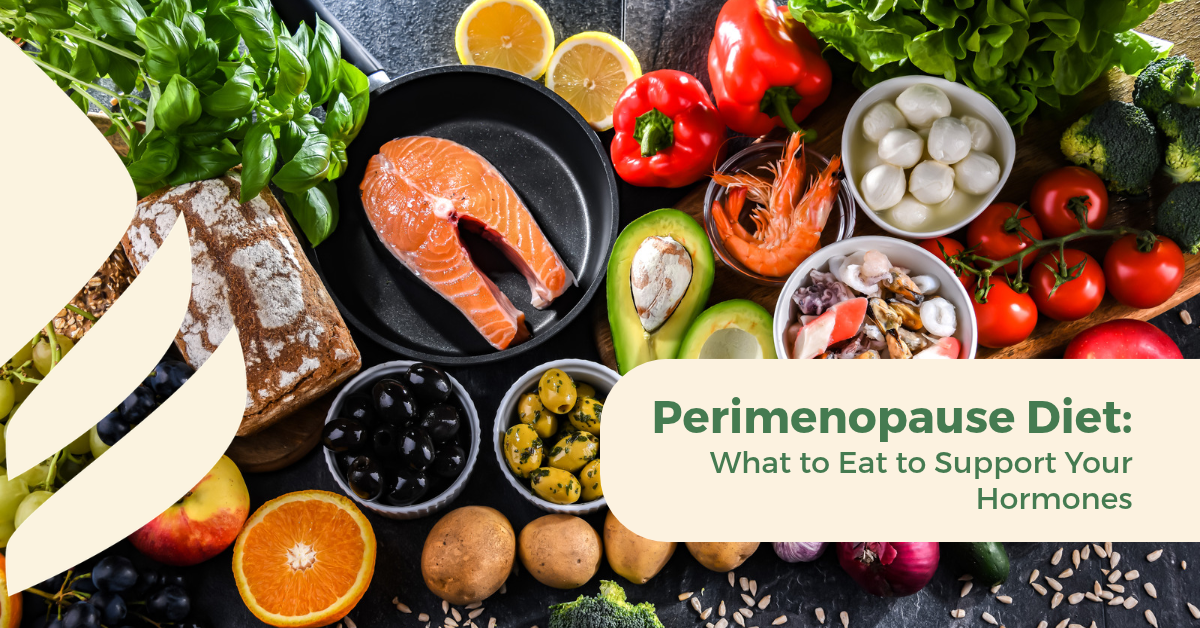
What a woman eats during perimenopause is not a minor detail in her hormonal experience. Diet is one of the most direct and modifiable influences on how the perimenopausal transition unfolds, and its effects operate through several distinct physiological pathways: how oestrogen is metabolised and excreted, how stable blood glucose remains across the day, how well the gut microbiome supports hormonal recycling, and how effectively the body manages the inflammation that compounds perimenopausal symptoms. The connection between food and hormones in this life stage is more specific and more mechanistically grounded than general healthy eating advice would suggest.
Understanding which dietary choices actively support the hormonal transition, which ones amplify symptoms through pathways that are now well understood, and how food and targeted supplementation work together to address the full complexity of perimenopausal nutrition gives women a more practical and more effective framework than generic wellness guidance alone.
How Does Diet Affect Perimenopause Symptoms and Hormonal Balance?
The relationship between diet and perimenopause operates through several interconnected systems, and the pathways are specific enough to explain why particular foods consistently appear to ease or worsen the experience of the transition.
Oestrogen metabolism is directly influenced by what a woman eats. After oestrogen has performed its functions in the body, it undergoes a multi-step detoxification process, primarily in the liver and gut, before being excreted. This process requires adequate dietary fibre to bind oestrogen metabolites in the gut for excretion, and it requires the liver's phase one and phase two detoxification pathways to function well. A diet low in fibre and high in refined carbohydrates impairs both of these mechanisms, contributing to oestrogen reabsorption from the gut and a hormonal environment that is less balanced than the liver's processing alone would create.
The gut microbiome contains a community of bacteria collectively referred to as the estrobolome, which are responsible for metabolising oestrogen conjugates in the gut. A diverse, fibre-rich microbiome supports appropriate oestrogen clearance; a disrupted microbiome from poor dietary diversity, excess refined foods and alcohol can contribute to oestrogen dysregulation that amplifies symptoms.
Blood glucose stability has a direct and significant relationship to perimenopausal symptom severity. Oestrogen has an insulin-sensitising effect; its decline during perimenopause increases insulin resistance and makes blood glucose fluctuations more pronounced. These fluctuations worsen fatigue, brain fog, mood instability and, by raising cortisol, can also lower the vasomotor threshold that determines hot flush frequency. Dietary choices that stabilise blood glucose, particularly adequate protein, fibre and the reduction of refined carbohydrates, have downstream effects across the full symptom picture that extend well beyond metabolic health alone.
Systemic inflammation is an additional pathway through which diet shapes the perimenopausal experience. Declining oestrogen reduces its anti-inflammatory signalling, and a diet high in ultra-processed foods, refined sugars and vegetable oils consumed in excess provides the inflammatory substrate that oestrogen can no longer moderate as effectively. Anti-inflammatory dietary patterns, by contrast, support the vascular, neurological and joint health that oestrogen withdrawal places under pressure.
The Best Foods to Include in a Perimenopause Diet for Hormonal and Energy Support
A perimenopause-supportive diet is not a restrictive eating pattern; it is an intentional one that prioritises the foods most relevant to the specific physiological demands of this life stage.
Phytoestrogenic foods have the most direct relationship to hormonal support. Flaxseeds (linseeds) are the richest dietary source of lignans, plant compounds that interact with oestrogen receptors and support oestrogen metabolism; one to two tablespoons of ground flaxseed daily provides a meaningful phytoestrogenic contribution. Legumes, including lentils, chickpeas and soybeans, provide isoflavones with demonstrated relevance to vasomotor symptoms in women with active oestrogen metabolism. Fermented soy products, including tempeh and miso, offer additional benefit through the pre-conversion of isoflavones to more bioactive forms by gut bacteria.
Cruciferous vegetables, including broccoli, cauliflower, Brussels sprouts, kale and cabbage, are particularly valuable during perimenopause. They contain indole-3-carbinol and its metabolite diindolylmethane (DIM), compounds that support phase two liver detoxification of oestrogen and help shift metabolism toward less proliferative oestrogen metabolites. Including cruciferous vegetables daily, through cooking methods that preserve their glucosinolates, supports the liver's hormonal clearance work.
Oily fish, including salmon, sardines, mackerel and herring, provide omega-3 fatty acids that reduce systemic inflammation, support cardiovascular health and contribute to mood regulation through their effects on the neuroinflammatory pathways that oestrogen withdrawal affects. Two to three servings weekly covers the dietary contribution meaningfully. Nuts and seeds, particularly walnuts, chia seeds and pumpkin seeds, provide magnesium, zinc and healthy fats that support hormonal metabolism, sleep quality and nervous system function.
Calcium-rich foods, including dairy, leafy greens, tahini, almonds and canned fish with bones, address the accelerating bone resorption of the transition. Vitamin D from moderate sun exposure and oily fish supports calcium absorption. Adequate hydration and regular consumption of herbs and spices with anti-inflammatory properties, including turmeric, ginger and rosemary, round out a dietary pattern that works with the hormonal environment of perimenopause rather than against it.
What Foods Can Worsen Perimenopause Symptoms and Why to Minimise Them
Several dietary patterns have a reliably amplifying effect on perimenopausal symptoms, and understanding why they produce this effect is more useful than a list of foods to avoid, because it allows women to make informed trade-offs rather than following rules without context.
Alcohol is the single most impactful dietary contributor to perimenopausal symptom severity. Its effects are multisystemic: it disrupts sleep architecture by suppressing REM sleep and increasing the likelihood of night waking, even in amounts below the level that produces obvious intoxication. It is a direct vasodilator that lowers the hot flush threshold, and many women notice a reliable relationship between alcohol and increased vasomotor event frequency and intensity on the same evening and the following day. It raises cortisol, disrupts blood glucose regulation, burdens the liver's oestrogen metabolism capacity and provides empty energy that displaces nutrient-dense foods. Reducing alcohol is, across all of these pathways simultaneously, the highest-impact single dietary change available to perimenopausal women.
Refined sugars and refined carbohydrates, including white bread, pastries, confectionery, sweetened drinks and most processed snack foods, drive the blood glucose instability that amplifies fatigue, mood instability, brain fog and cortisol reactivity. In a perimenopausal context, where insulin resistance is higher than it was in earlier reproductive life, the glucose and cortisol response to refined carbohydrate intake is more pronounced. These foods also displace the fibre and micronutrients that the oestrogen metabolism and estrobolome pathways depend on.
Caffeine, while not problematic for all women during perimenopause, warrants attention in those whose hot flush frequency, sleep quality or anxiety levels are already elevated. Caffeine raises cortisol and can lower the vasomotor threshold in sensitive women, and its effects on sleep architecture, while less disruptive than alcohol, are cumulative and can contribute to the sleep debt that amplifies the full perimenopausal symptom picture. Timing caffeine consumption before midday and moderating total daily intake is a practical and often effective adjustment.
Highly processed foods, characterised by long ingredient lists that include emulsifiers, artificial additives and refined seed oils, are associated with gut microbiome disruption that affects the estrobolome function described above. Ultra-processed dietary patterns are also pro-inflammatory through multiple pathways, and in a hormonal environment where oestrogen's anti-inflammatory protection is declining, the dietary contribution to inflammation becomes a more significant driver of symptom severity than it was in earlier reproductive life.
The Role of Protein, Fibre and Plant-Based Foods in Perimenopause Nutrition
Three dietary elements deserve particular attention during perimenopause because their physiological contributions are especially relevant to the changes the transition brings: protein, fibre and the broader category of plant-based foods.
Adequate protein is one of the most consistently underemphasised nutritional priorities for perimenopausal women. Oestrogen has an anabolic effect on skeletal muscle, supporting muscle protein synthesis and maintaining muscle fibre quality. As oestrogen declines, the body becomes less efficient at building and maintaining muscle from dietary protein, which means protein requirements increase at exactly the stage when many women may be eating the same amounts they always have. Dietary protein requirements during perimenopause are generally considered to be higher than the standard recommendations for younger adults, with clinical guidance consistently pointing toward 1.2 to 1.6 grams per kilogram of body weight daily as the appropriate target for muscle maintenance in this life stage. Protein from a variety of sources, including eggs, fish, legumes, dairy, poultry and meat, distributed across meals rather than concentrated in one sitting, maximises muscle protein synthesis. Protein also stabilises blood glucose and provides satiety that reduces the likelihood of grazing on refined carbohydrates between meals.
Dietary fibre serves the perimenopausal body through three mechanisms: it supports oestrogen excretion by binding oestrogen metabolites in the gut; it feeds the estrobolome, the gut bacteria community responsible for metabolising oestrogen conjugates appropriately; and it stabilises blood glucose by slowing the absorption of carbohydrates and reducing postprandial glucose peaks. A fibre intake that draws from diverse plant sources, including vegetables, legumes, whole grains, nuts, seeds and fruit, provides both the soluble and insoluble fibre that different aspects of these functions require. Thirty grams daily is a practical target that most Australians do not currently reach.
Plant-based foods contribute to perimenopausal nutrition not only through fibre but through the polyphenols, antioxidants, phytoestrogens and micronutrients that support the hormonal, inflammatory and neurological dimensions of the transition. Variety across different plant families, specifically including cruciferous vegetables, alliums (onions, garlic, leeks), berries, legumes and colourful vegetables across the spectrum of red, orange and green, provides the range of phytonutrient classes that no single food or food group can supply. A plant-diverse diet does not require the exclusion of animal foods; it requires the inclusion of sufficient plant variety to deliver the estrobolome and phytochemical support that perimenopause specifically benefits from.
Combining a Perimenopause-Friendly Diet with Targeted Nutritional Supplements for Optimal Support
A well-constructed perimenopausal diet establishes the physiological foundation from which everything else builds: stable blood glucose, adequate micronutrient density, a functioning estrobolome, an anti-inflammatory dietary base and sufficient protein to support the muscle maintenance demands of the transition. What diet alone cannot deliver is the specific botanical and adaptogenic support that addresses the neurological, cognitive and hormonal dimensions of the perimenopausal experience through mechanisms that food-based phytonutrients, at the concentrations available through diet, do not reliably reach.
Cognitive clarity, mental energy and the processing speed and working memory changes of perimenopause are areas where targeted botanical support offers something genuinely distinct from dietary intervention. Ginkgo biloba, standardised for its active ginkgoflavonglycosides and ginkgolides, supports cerebral blood flow and neuronal signalling through mechanisms that directly address the circulatory and neuroinflammatory dimensions of perimenopausal cognitive change. Eleutherococcus senticosus supports adaptive capacity under sustained demand. Bacopa monnieri supports cognitive stamina over time.
NaturoElite's Memory & Energy Support brings these botanicals together with Rhodiola rosea, which supports cognitive performance and reduces the fatigue that impairs mental clarity under stress, in a formula designed to address the cognitive and energy dimensions of perimenopause that diet establishes the foundation for but cannot target botanically. Ginkgo biloba, Rhodiola rosea, Eleutherococcus senticosus and Bacopa monnieri, all delivered in organic pullulan capsules.
For women whose perimenopausal picture includes cycle-related mood changes, emotional volatility, premenstrual sensitivity or the hormonal disruption that diet can support but not fully address, botanical support targeted at the hormonal and emotional dimensions of the transition works alongside dietary foundations to create a more comprehensive framework.
NaturoElite's Female Balance provides this hormonal and emotional layer: Vitex agnus-castus, with its clinical evidence for reducing premenstrual and perimenopausal symptoms; Hypericum perforatum (St John's Wort) for emotional wellbeing; Safr'Inside, a patented saffron extract (Crocus sativus), for mood, emotional resilience and sleep quality; alongside Bupleurum falcatum, pomegranate, rosemary and zinc in organic pullulan capsules.


